
Baby Bassinet & Baby Cradle Range
A bassinet is the sleep space most families start with: small enough to sit beside your bed, firm enough to be safe, and easy to wheel from room to room. The babyhood range covers a bedside co sleeper with a drop side, a rocking travel bassinet that folds into a bag, a sleigh cradle that converts to a toddler seat, and a moses basket on a timber stand. All of them take a firm flat mattress and all of them are built to a recognised furniture standard.
What is a bassinet?
A bassinet is a small, enclosed bed for a newborn, usually on legs or wheels, with an insert about 80 to 90cm long. Your baby uses it from birth until they hit roughly 8 to 9kg or start sitting up on their own, whichever comes first, which for most babies lands somewhere between four and six months. Bigger babies get there sooner.
The point of one is proximity. Red Nose recommends your baby sleeps in their own safe sleep space in the same room as you for the first six to twelve months, and a bassinet is how most families do that without a full sized cot beside the bed. Bassinets and cradles are also easier to move around the house during the day.
The bassinets and cradles in this range
Kaylula Co Sleeper Cradle
The one to look at if you want your baby right beside you. It works as a nursery cradle, a bedside co sleeper and a wheeled bassinet. The drop side moves up or down depending on how close you want to be, and safety straps hold it against your bed base. Mesh panels on the sides keep airflow and visibility up, the legs are European beech and height adjustable, and the wheels lock. It comes with a quilted Breathe Eze fibre mattress at 480 by 880 by 40mm and a storage basket. Newborn to 9kg or until your baby sits upright. Made to EN 1130-1 and EN 1130-2.
Rocking Travel Bassinet
A portable bassinet with a side to side gliding motion you start with a light tap and lock when your baby is asleep. Aluminium frame, full mesh basket, canopy hood, mosquito net. It folds to 47 by 48 by 18cm and weighs 6.3kg with the travel bag included, so it goes to the grandparents’ house without an argument. The mattress is firm, washable and made with Breathe Eze fibre, tested for breathability. Newborn to 9kg or sitting upright. EN 1130-1 and EN 1130-2.
Sandton Sleigh Cradle
A three in one in clear A grade New Zealand plantation timber: a wheeled bassinet, a rocking cradle, then a toddler rocking seat once the panel comes out. Bassinet mode is newborn to six months or 9kg. As a seat it takes up to 40kg, so it stays useful for years. The wheels lock, the sleigh base is wide enough to keep the motion controlled, and it fits through a standard doorway. It complies with AS/NZS 4385:1996, the Australian standard for bassinets and cradles. The mattress is sold separately at 44 by 85 by 5cm.
Kaylula Moses Basket and Stand
Hand woven water hyacinth on a New Zealand timber stand, with four lockable wheels, a quilted cotton liner and a Breathe Eze mattress included. The weave has no holes or gaps that could create an entrapment hazard, the timber stand is wide enough to support the basket without tipping, and the basket lifts off by its leatherette handles. Birth to 8kg or until your baby sits up. EN 1130-1 and EN 1130-2.
Safe sleep, and what Red Nose says
Red Nose is the Australian authority on safe sleeping, and the quickest way to learn what matters is to read its guidance before you buy anything. The short version: put your baby on the back to sleep, keep the head and face uncovered, use a firm flat mattress that fits the base with no gaps, and keep soft bedding, pillows and toys out of the sleep space. Sleep your baby in their own space in your room. That last point is the reason a bassinet exists.
Co sleeping in the sense of sharing a sleep surface carries risk, and safe sleeping guidance exists to lower that risk rather than to make life harder. A bedside co sleeper with a drop side gets your baby within arm’s reach on their own firm mattress, which is the safer arrangement, and it is why babies who wake often end up beside the bed rather than in it.
Two things to make sure of with any bassinet, ours or anyone else’s. Make sure the mattress is the one made for that model, because the wrong size leaves gaps at the sides. And make sure you stop using it at the stated weight or the moment your baby can push up and sit, whichever comes first.
How to choose
- Start with where it needs to live. Beside the bed means a drop side and straps. Around the house means lockable wheels. Away from home means a fold and a bag.
- Mesh sides give airflow and let you see in, solid panels look tidier, and neither is unsafe. What matters is that there are no gaps where a limb could catch, because that is the entrapment risk to look for.
- Check the safety standards. You will find EN 1130 or AS/NZS 4385 on the listing of anything worth buying. A product that lists neither has nothing to show you.
- These products all end at 8 or 9kg, and most bassinets on the market do the same. If you want more than six months out of one, the sleigh cradle converts to a seat.
- Work out the price across the months you will actually use it, then decide whether portability or convertibility is worth more to you.
Bassinet FAQs
How long will a baby stay in a bassinet?
Usually four to six months. The limit is the earlier of the stated weight, 8 or 9kg on the products here, or the day your baby can push up and sit unaided. After that they move to a cot.
What is the safest bassinet in Australia?
The safest bassinet is the one with a firm flat mattress that fits the base without gaps, sides with no entrapment points, a stable frame that will not tip, and a standard behind it. Look for AS/NZS 4385 or EN 1130 on the listing. Then follow the Red Nose basics, because how you use it matters as much as which bassinet you buy.
What is a bassinet called in England?
A Moses basket or a crib. The word bassinet is more common in Australia and the United States. They describe the same thing: a small enclosed bed for a newborn.
What is a bassinet used for?
Sleep in the first months, close to you. Some parents also use one for daytime naps in the main room so the baby is not upstairs on their own. It is a sleep product, so it should have a firm flat mattress and nothing soft in it.
Not sure which one?
If you want your baby beside your bed, choose the co sleeper cradle. If you travel or move between houses, choose the travel bassinet. If you want a piece of furniture that lasts past the bassinet stage, choose the sleigh cradle. If you love the look of natural fibre like water hyacinth, the moses basket is your pick. Any of them will do the job for the first few months, so choose on where it needs to live rather than on the spec sheet. Get in touch if you want help narrowing it down.
-
Sale!
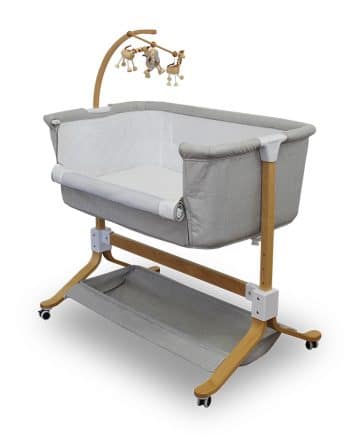
Kaylula Co Sleeper Cradle – Grey
-
Sale!
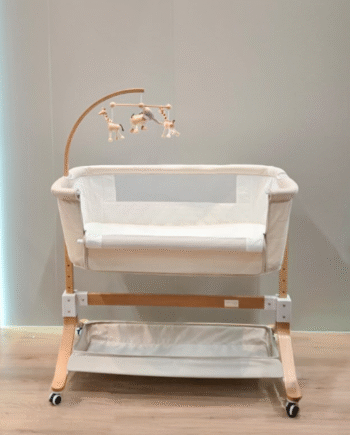
Kaylula Co Sleeper Cradle – Sand
-
Sale!
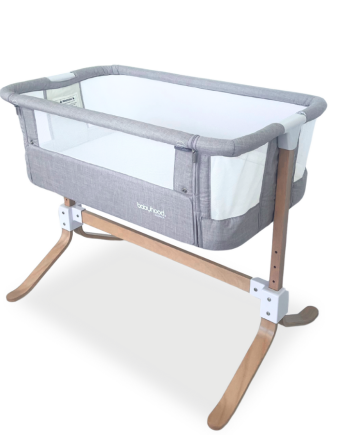
Co Sleeper Cradle Air
-
Sale!
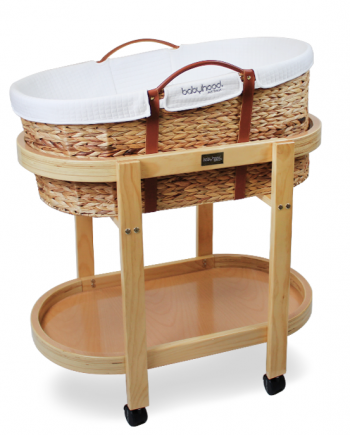
Kaylula Moses Basket & Stand with Mattress
-
Sale!
Kaylula Moses Basket & Stand
-
Sale!
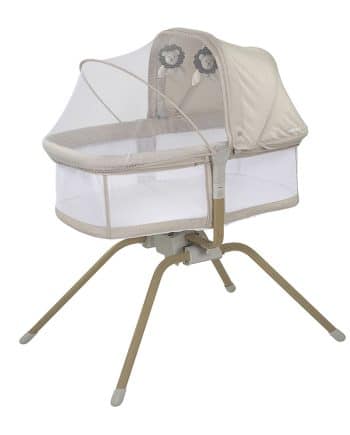
Rocking Travel Bassinet – Beige
-
Sale!
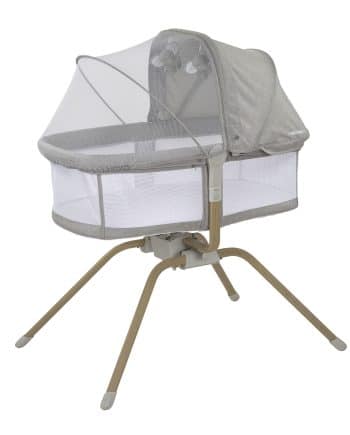
Rocking Travel Bassinet – Light Grey
-
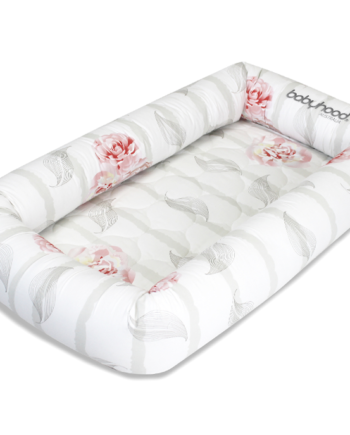
Organic Breathe Eze Cosy Crib
$199.00 Select options This product has multiple variants. The options may be chosen on the product page -
Sale!
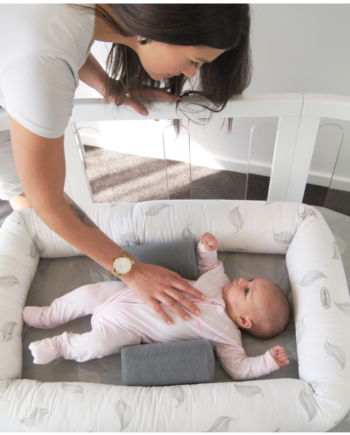
Organic Breathe Eze Cosy Crib & Sleep Positioner
-
Sale!
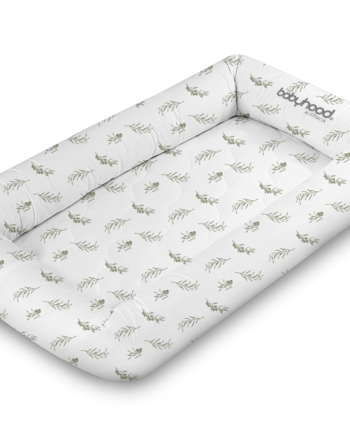
Breathe Eze Cosy Crib Original
Price range: $129.00 through $169.00 Select options This product has multiple variants. The options may be chosen on the product page -
Sale!
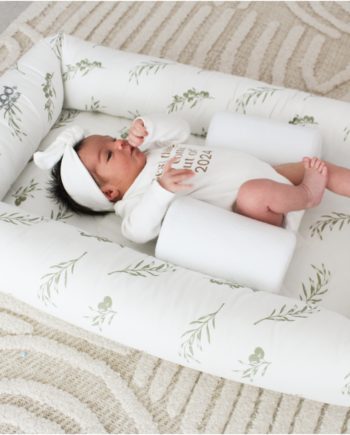
Breathe Eze Cosy Crib Original & Sleep Positioner
-
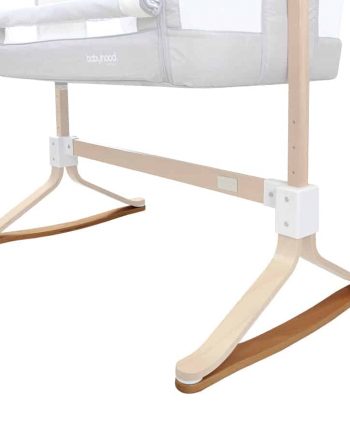
Co Sleeper Cradle Rocking Legs
-
Sale!
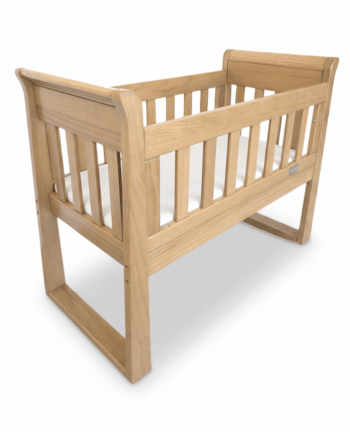
Sandton Sleigh Cradle, Bassinet and Rocking Seat with Breathe Eze Mattress
Original price was: $449.00.$399.00Current price is: $399.00. Select options This product has multiple variants. The options may be chosen on the product page