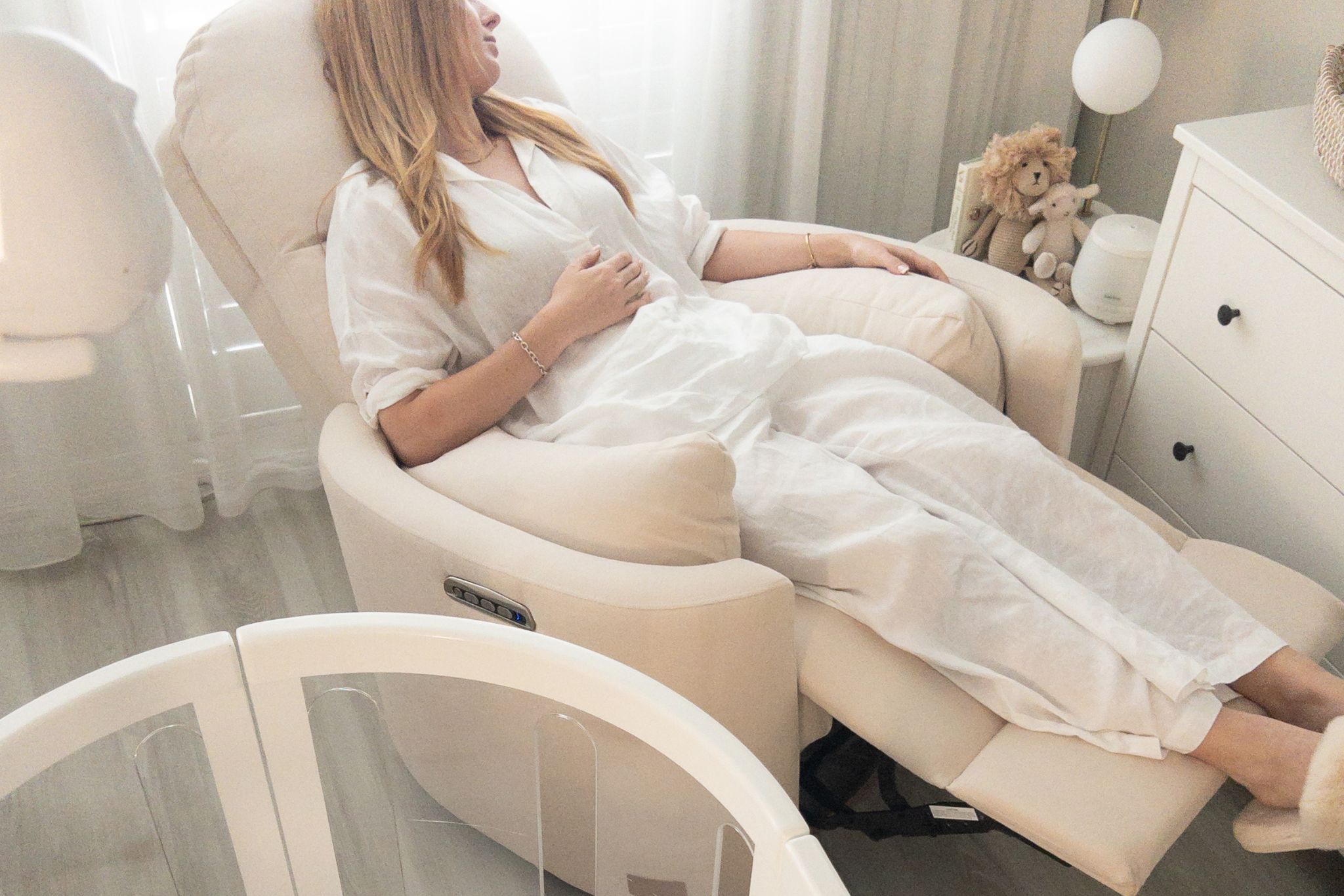
When you’re preparing for a new baby, it’s easy to focus on the obvious essentials; a cot, pram, car seat and change table. A nursing chair often feels like a luxury rather than a necessity. However, ask experienced parents what they would do differently with their second baby, and one answer comes up time and time again:
“I wish I’d bought a nursing chair the first time.”
After countless hours feeding, cuddling, settling and comforting your baby, many parents realise that a quality nursing chair or feeding chair isn’t simply another nursery purchase—it’s one of the most used pieces of furniture in your home.
Why do parents underestimate a nursing chair?
Before your baby arrives, it’s difficult to imagine just how much time you’ll spend sitting down. A newborn typically feeds between 8 and 12 times every 24 hours, with each feed lasting anywhere from 20 to 60 minutes. Add in cuddles, contact naps, soothing, reading stories and settling your little one back to sleep, and you could easily spend three to six hours each day sitting with your baby.
If your chair doesn’t properly support your body, you’ll quickly start to notice aching shoulders, a sore neck and lower back pain.
Comfort isn’t a luxury—it’s part of your recovery
Whether you choose to breastfeed, bottle feed or combination feed, your body is still recovering after pregnancy and birth. Long feeding sessions can place significant strain on your back, shoulders, arms and hips, especially during those first few months.
A well-designed breastfeeding chair is specifically created to support both you and your baby, helping you maintain a comfortable feeding position while reducing unnecessary strain.
When choosing a nursing chair, look for features such as:
- Ergonomic lumbar support
- Adjustable head and neck support
- Comfortable armrests positioned at the ideal height for feeding
- A smooth gliding or rocking motion to help soothe your baby
- Reclining positions for rest and relaxation
- A supportive footrest to improve comfort and circulation
These small details can make a remarkable difference during those middle-of-the-night feeds.
Why second-time parents don’t make the same mistake
Many first-time parents believe they can simply use the lounge, a dining chair or sit up in bed.
The reality is often very different.
After weeks of awkward feeding positions and uncomfortable nights, parents quickly discover that household furniture simply isn’t designed for hours of feeding and comforting a newborn.
That’s why second-time parents rarely ask, “Do I really need a nursing chair?”
Instead, they ask, “Which nursing chair is the most comfortable?”
Experience teaches them that investing in their own comfort makes caring for their baby easier every single day.
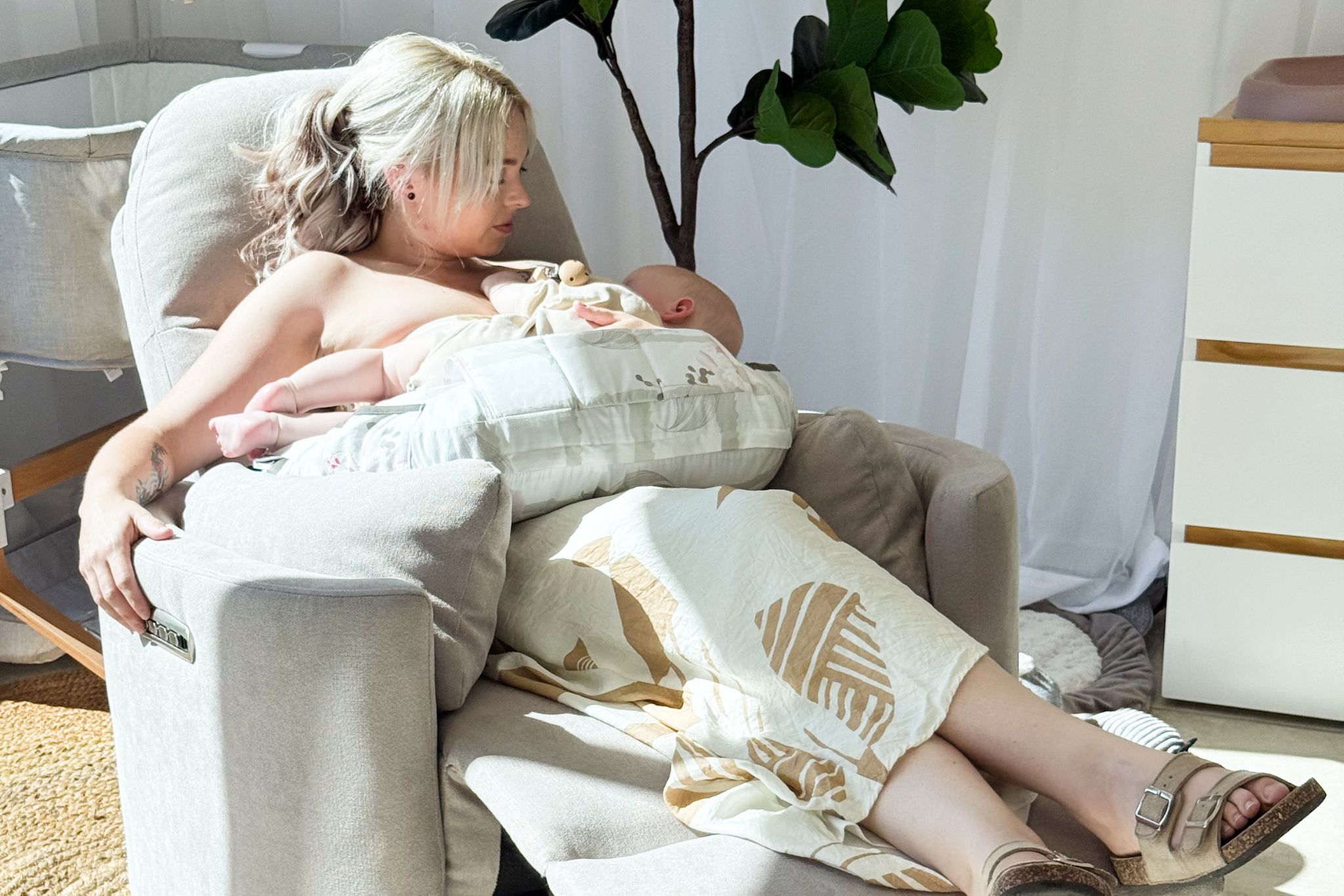
A nursing chair is useful long after breastfeeding ends
Despite the name, a nursing chair becomes much more than somewhere to breastfeed.
Many families continue using their chair for years as the perfect place for:
- Bottle feeding
- Reading bedtime stories
- Night-time cuddles
- Comforting toddlers
- Settling sick children
- Quiet family moments
A quality chair grows with your family, making it one of the longest-lasting purchases you’ll make for your nursery.
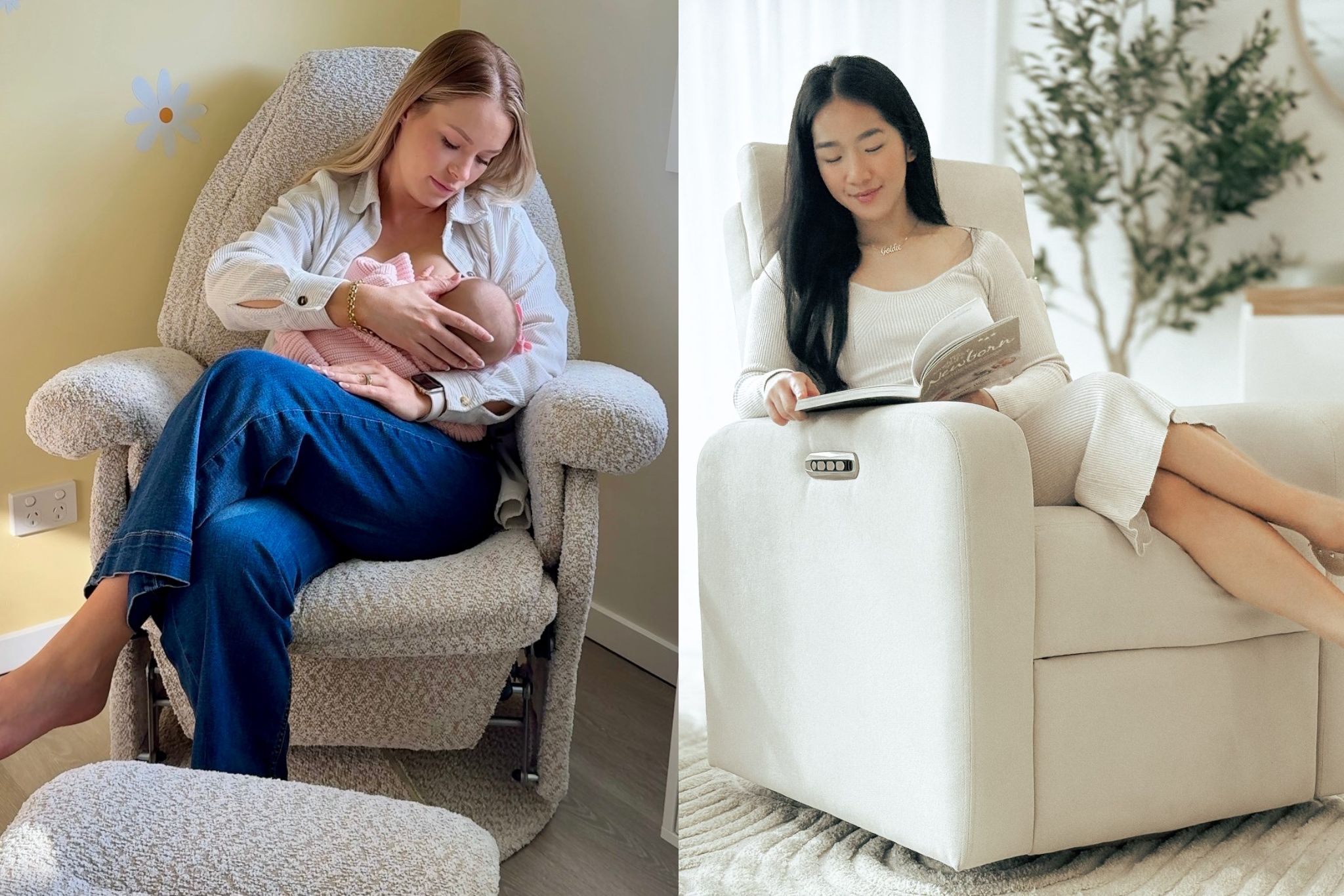
Choose a chair that fits your home
Today’s premium nursing chairs are designed to complement modern homes rather than look like nursery furniture. A timeless design allows your chair to move effortlessly into your living room, bedroom or reading nook once your feeding journey has finished.
Choosing a chair you’ll continue to love long after your baby has grown makes it an investment, not an expense.
The babyhood difference
At babyhood, we understand that caring for your baby starts with caring for you.
Our thoughtfully designed nursing and feeding chairs combine beautiful styling with ergonomic support to help make every feed more comfortable. Features such as adjustable lumbar support, adjustable headrests, smooth gliding motion and luxurious upholstery are designed to reduce fatigue and provide exceptional comfort. Selected models also include effortless electric recline, allowing you to find your perfect position while keeping your baby safely in your arms.
Is a nursing chair worth it?
If you ask parents who have welcomed more than one child, many will tell you that a nursing chair is one of the purchases they wish they’d made from day one.
It isn’t just another piece of nursery furniture—it’s where you’ll feed, cuddle, comfort and create some of your most precious memories with your baby. Investing in a quality nursing chair means investing in your own comfort, your recovery and those special moments you’ll treasure long after the newborn days have passed.
Recline, glide and lumbar support
These three do different jobs and it is worth knowing which you actually need.
The glide is for settling. A smooth forward and back motion along a level track is what soothes a baby, and because the seat stays level the motion takes almost no effort to maintain. If you want the mechanics of that, our explainer on what is a glider chair covers how it differs from a rocker.
The recline is for you rather than your baby. It matters during long night feeds and even more if you end up dozing in the chair. Check how many positions it has and whether you can change them without using both hands.
Lumbar support is the one that decides whether you can sit there for forty minutes without your lower back complaining. Sit right back in the chair and see whether the backrest actually meets the curve of your spine, or whether there is a gap you would end up filling with a cushion.
Footstool and armrest height
Armrest height is the single most important measurement in a feeding chair, and the one most people never check. Your forearms need to rest on the arms at the height where your baby feeds, with your shoulders down and relaxed. If the arms are too low you will hold your baby up with your own muscles for the whole feed, which is where neck and shoulder pain comes from. If they are too high your shoulders shrug.
The footstool changes the angle of your hips and takes the load off your lower back. Every glider chair in the babyhood range comes with a matching ottoman for that reason. A gliding ottoman that moves with the chair keeps your feet supported through the motion rather than sliding off as you rock.
Test both together rather than separately. Sit in the chair with your feet on the ottoman, arms on the armrests, holding something roughly the size and weight of a baby, and see whether you could hold that position comfortably for half an hour.
Fabric choice and cleaning
A nursery chair takes more punishment than any other seat in the house. Milk in the early months, then food, then everything a toddler brings with them.
Boucle and textured weaves hide marks well and feel soft, but the loops can catch. Flat woven fabrics are easier to wipe and show wear more slowly. Whichever you choose, check what the manufacturer recommends before you put any product on it, because the wrong cleaner can set a stain or lift the pile.
Deal with spills straight away rather than later, and keep a care kit on hand before you need one. It is also worth thinking about colour honestly. A pale chair in a nursery looks beautiful in a photograph and shows every mark in real life.
Making the decision
If you already have a comfortable armchair at the right height with arms you can rest on, you may not need a dedicated chair. If you do not, the cost is worth weighing against feeding several times a night for a year in a seat that puts your body in the wrong position.
When you are ready to compare, the current range of nursing chairs shows which models suit different body types and room sizes.