
We are often asked can our Co Sleeper incline?
The simple answer is No and it shouldn’t.
The problem is many parents are led to believe by baby product brands that they should reduce the severity of reflux by placing their baby on an angle or incline.
This is dangerous.
When you incline your baby, you put your baby’s head chin to chest and cause their airways to occlude which will result in a fatal injury, as your baby will not be able to breathe.
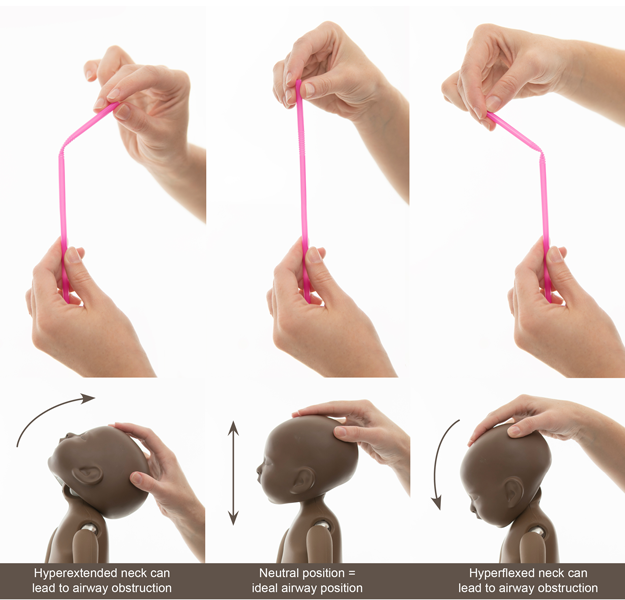
The Australian Competition and Consumer Commission (ACCC) reviewed infant inclined products. The ACCC initiated the review following the US Consumer Product Safety Commission’s (US CPSC) reports of over 70 fatalities in the US associated with the use of these products since 2005. On 31 October 2019, the US CPSC cautioned consumers to cease using infant sleep products with inclines of more than 10 degrees for sleep. The US CPSC released the results of agency-commissioned research, led by Erin Mannen Ph.D., which analysed the design and incident reports related to the use of inclined products (the Mannen report).
Australia has since acted. From 19 January 2026, infant sleep products sold here must meet the Consumer Goods (Infant Sleep Products) Safety Standard 2024, which covers bassinets, cradles, co sleepers, inclined sleepers, household cots and portable folding cots. A separate information standard sets the warnings and safety information that must be supplied, and it also applies to inclined products that are not sold for sleep but that a baby may fall asleep in, such as bouncers and rockers.
Most co sleepers in Australia are marketed to incline your baby to 30 degrees or more. These brands do not understand the risks associated with selling products so have created a false and dangerous impression for parents that it is safe to incline your baby for sleep time.
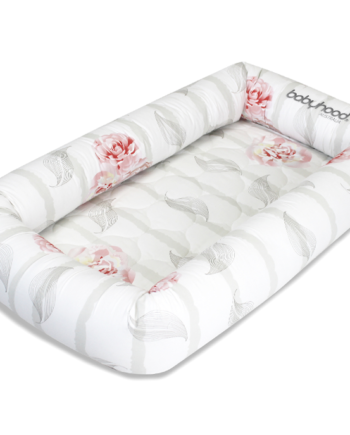
We have made it easier than ever for you to buy a safe Co Sleeper Cradle Air for your baby at a special price for a limited time only.
Why the incline is the problem
A newborn does not have the neck strength to lift or reposition their head. On an inclined surface their chin drops towards their chest, which narrows the airway, and they cannot correct it themselves. The same angle that seems to settle a baby is the angle that makes it hard for them to breathe.
The scale of it is not small. Between 2001 and 2021, 151 infants died in Australia in inclined products such as rockers and bouncers, or on surfaces that had been propped. Red Nose Australia advises that a baby’s sleep surface should be firm and flat, not elevated or tilted in any way.
Common mistakes and what to do instead
Most of these are well intentioned and very common.
Propping the mattress to help reflux. Raising one end of a cot mattress, or putting a towel or wedge underneath it, creates the same incline by another route. If reflux is affecting your baby, talk to your maternal child health nurse or GP rather than changing the sleep surface.
Using a sleep positioner or anti roll device. The ACCC advises that propping a baby on pillows, sleep positioners or beanbags should be avoided, and Red Nose does not recommend positional products or anything that restricts a baby’s movement or head position.
Leaving a baby to sleep in a bouncer, rocker or swing. These are not sleep products. If your baby falls asleep in one, move them to their cot or bassinet as soon as you can.
Letting a baby sleep in the car seat outside the car. A capsule is designed for travel, at an angle that is safe when the seat is installed and the journey is supervised. It is not a substitute for a flat sleep surface at home.
What to do instead is simple and consistent. Put your baby on their back, on a firm flat surface, in a product made for sleeping, with their head and face uncovered.
Room sharing and when to move to a cot
Red Nose Australia recommends that your baby sleeps in their own safe sleep space in the same room as a parent or caregiver for at least the first six months. Sharing a room is not the same as sharing a surface. Your baby still needs their own flat, firm space next to you.
A co sleeper bassinet is designed for exactly this, sitting at bed height beside you so you can reach your baby without lifting them onto your own mattress. Ours does not incline, for the reasons above.
The move to a cot is usually driven by size and mobility rather than a fixed date. Once your baby reaches the weight limit for the bassinet, or can push up on their hands and knees or roll, it is time. Many families move the cot into their room first and shift it to the nursery later, which keeps the room sharing recommendation intact.
If you are still deciding what to start with, our guide covers whether you need one and how a round bassinet compares with other shapes, and you can browse the current bassinets and cradles range. For the wider picture, our safe sleep for babies guide pulls the main recommendations together.
Out and about
The same thinking applies once you leave the house. A pram bassinet that lies flat is a suitable place for a newborn to sleep on the move, whereas a seat that only tilts partway back is not. Our guide to choosing a single pram covers which configurations lie flat from birth, and you can compare the full prams and strollers range.
Related products
-
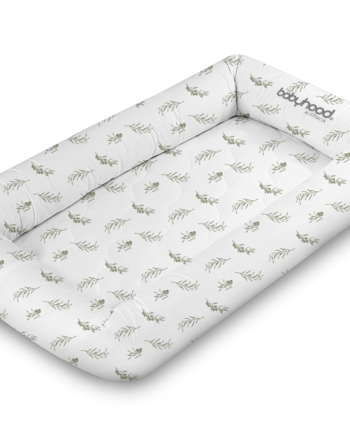
Breathe Eze Cosy Crib Original
$169.00 Select options This product has multiple variants. The options may be chosen on the product page -
Sale!
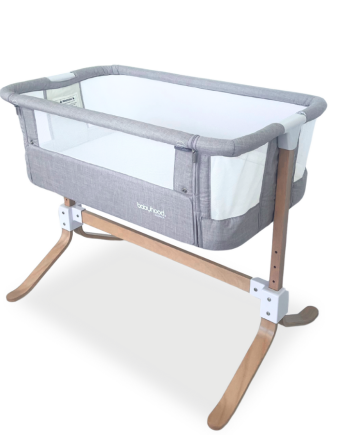
Co Sleeper Cradle Air
-
Sale!
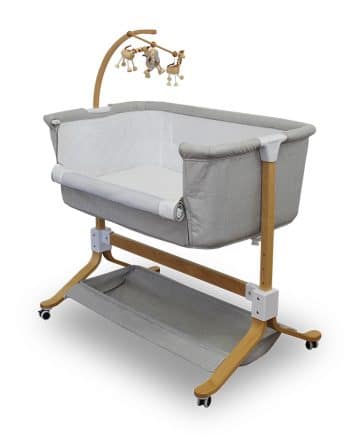
Kaylula Co Sleeper Cradle – Grey
-
Organic Breathe Eze Cosy Crib
$199.00 Select options This product has multiple variants. The options may be chosen on the product page