
Related products
Why a protector is worth having
A cot mattress is one of the more expensive things in a nursery and one of the hardest to clean. A protector sits between your baby and the mattress and takes everything that would otherwise soak in. Over the first two years that means a lot of nappy leaks, spilled milk, dribble and the occasional illness.
Without one you are either cleaning a mattress you cannot properly clean, or replacing it. With one you strip a layer, wash it, and put the bed back together at two in the morning without much thought.
Fit is the safety part
A protector has to fit tightly. A loose or oversized one can bunch, rumple or work free of the corners, which puts loose material in the sleep space, and that is the thing to avoid.
Buy the protector made for your mattress size rather than a close approximation. Check the corners grip properly once it is on, pull it firmly at each corner to see whether it stays put, and check it again after a few washes as elastic relaxes over time. If it no longer holds the corners, replace it.
The same rule that applies to the mattress applies here. The surface your baby sleeps on should be firm and flat with nothing loose on it, so a protector should disappear under the sheet rather than add bulk.
Choosing between the types
There are broadly three.
Fitted protectors pull over the mattress like a deep sheet and stay put well. They are the easiest to get on and the most secure once fitted.
Flat or bassinet style protectors lie on top and suit smaller sleep surfaces. They are quick to change but need checking more often, because there is less holding them down.
Full encasement protectors zip around the whole mattress. They give the most protection and are the most work to remove, so many families use one of these plus a fitted layer they can change quickly.
Whichever you choose, breathability matters. A protector that blocks air entirely traps heat, which works against keeping your baby at a comfortable temperature.
Washing and keeping it working
Follow the care instructions for the specific protector rather than a general rule, because backing materials behave differently and a hot wash or a hot dryer can damage the waterproof layer even when the fabric survives.
Two protectors is the practical minimum. One on the bed and one clean in the cupboard means a night time change takes two minutes instead of turning into a load of washing you have to wait for. Wash on a regular cycle rather than only after an accident, and air the mattress itself whenever the protector is off.
When to replace it
A protector is a consumable. Replace it when the elastic no longer grips the corners, when the backing feels stiff, crackly or has started to separate, or when it stops keeping moisture out. If you can see staining coming through to the mattress, the waterproof layer has already failed.
The mattress underneath
A protector extends the life of a mattress but does not change what makes the mattress right in the first place. It needs to be firm, flat, and made for that cot at the size and depth stated in the manual, with no more than a 20mm gap at the sides.
Our guide to choosing a baby mattress covers type, firmness and fit, and you can compare the current range of cot mattresses in one place.
The rest of the sleep setup
If your baby will start beside your bed, our guide covers whether you need one and how a round bassinet compares with other shapes, and you can browse the bassinets and cradles range. Each takes its own protector and mattress size, so it is worth checking both together.
For sleep on the move, our guide to choosing a single pram covers which configurations lie flat from birth, and the full prams and strollers range is here.
How the layers should stack
The order matters and it is simpler than it looks. Mattress first, then the protector pulled tight, then a fitted sheet over the top. That is the whole stack. Nothing else needs to go between your baby and the sheet.
Where families run into trouble is adding a bunny rug, a folded towel or a spare blanket under the sheet to soak up spills. Each of those adds a loose layer that can shift, and it defeats the point of having a protector at all. If you find yourself reaching for a towel, it usually means the protector is the wrong size or the elastic has gone.
A useful habit is to make the bed twice. Protector, sheet, then a second protector and second sheet on top of that. When something happens overnight you strip the top two layers and the bed underneath is already made.
-
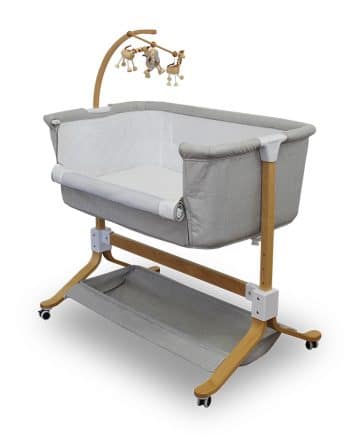
Kaylula Co Sleeper Cradle – Grey
-
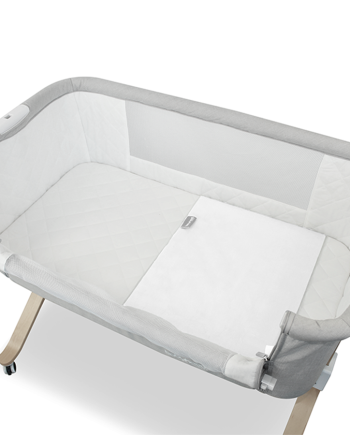
Luxurious Breathe Eze Mattress Protector Sheet Small
-
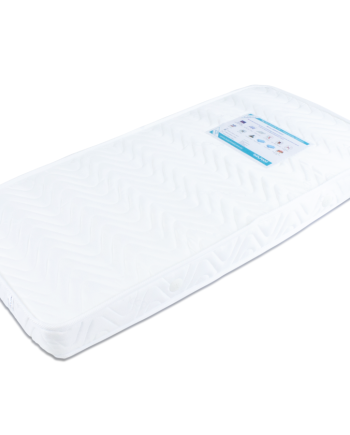
My First Breathe Eze Innerspring Mattress
Price range: $169.00 through $189.00 Select options This product has multiple variants. The options may be chosen on the product page -
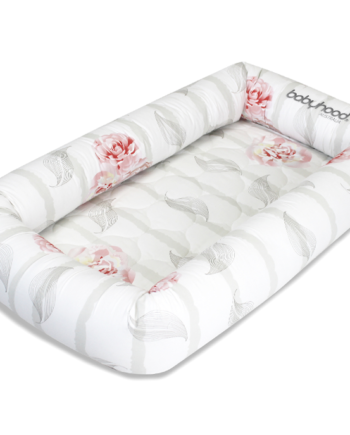
Organic Breathe Eze Cosy Crib
$199.00 Select options This product has multiple variants. The options may be chosen on the product page