
Should You Use A Second Hand Cot and Mattress?
If you are considering reusing a cot or buying a second hand cot or mattress, then this is a must read.
What is a second hand cot or mattress?
- A product that has used by an older sibling or family member.
- A product that is bought second hand from Gumtree, eBay and other market places.
- A product that has been used in anyway.
Cots used even with older siblings are second hand cots. Whilst we are all encouraged to recycle and reuse products so we are more sustainable for our Earth, reusing a cot has some inherent risks. Choice does not recommend that parents use second hand products for kids.
In Choice’s article updated on 4 October 2019, they say “second-hand cots are dangerous.”
The Risks
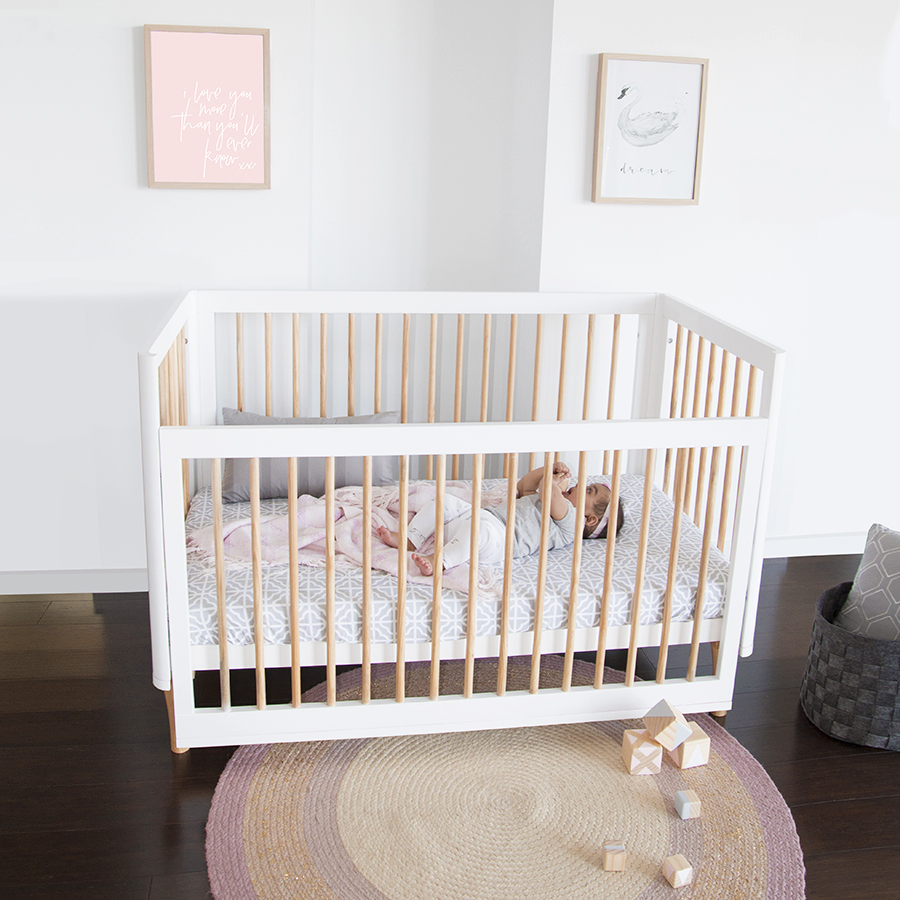
The reason second hand products pose a safety risk is that Australian Standards evolve from time to time, taking into consideration the types of concerns evident in the market. Old cots will not meet these more rigorous standards or may not meet any standard.
In addition, even if the cot is newer there are other risks:
- Parents may have modified their cot.
- Unauthorised and ill-fitting parts may have been used, which may impact the stability and function of the product.
- Parents may have given an old cot a lick of new paint, which may contain lead or is not safe for use with babies.
- There may be damage to the cot which is not evident on initial inspection.
- The plastic fittings may have become brittle and therefore are more susceptible to breakage especially when using a cot with drop side that moves up and down all day.
These risks are real. You need only to search the internet to see the significant number of serious injuries or deaths babies have suffered in used cots. The consequences of using a second hand cot can be devastating.
The Take Away Message
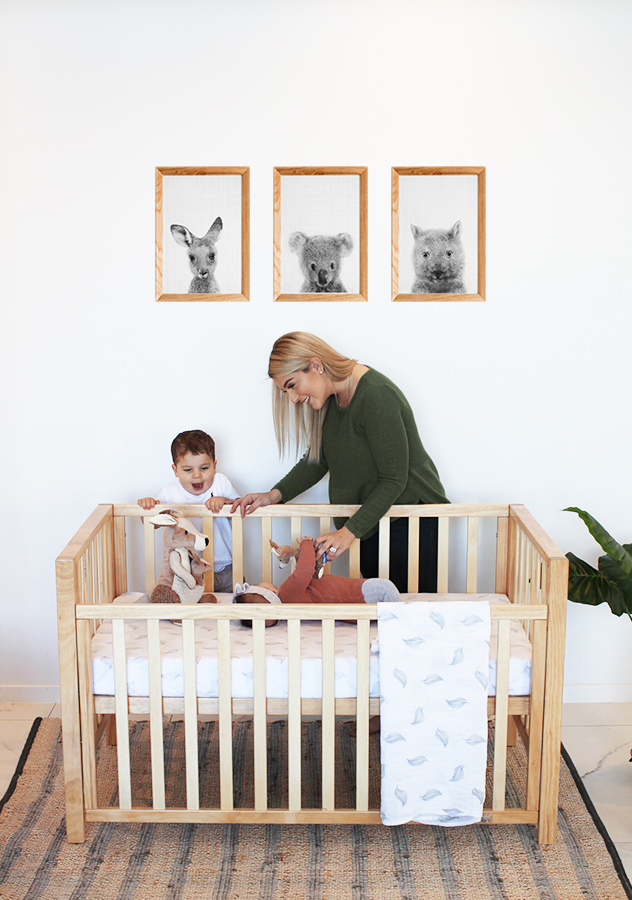
If you would like to use second hand cot, then we recommend the following:
- Only use a cot that is less than 7 years old. There will be a manufacture date on the base of the cot.
- Check the cot has been tested to the Australian Standard AS/NZ 2172.
- Check the cot has not been repainted as the paint may be toxic.
- Carefully check all the timber panels to ensure the timber has not warped (bent) as this will create potential strangulation hazards or that the timber is not cracked or splintered.
- Replace all the plastic fittings. Always only purchase replacement fittings from the manufacture direct, so you can ensure that the parts are correct. We do not recommend that you use non authorised fittings or parts for your cot.
- Ensure you have an instruction manual so you can assemble the cot correctly.
- Before you assemble the cot, clean it thoroughly and lubricate the parts.
- Once assembled, check the cot carefully to ensure it feels stable and check moving parts like the drop side to ensure they are sliding smoothly.
Whilst this may seem like a lengthy checklist, the safety of your baby is too important not to ensure that you have made these checks.
If you decide to buy new instead, our guide to the best baby cot options in Australia sets out what to compare.
Mattresses
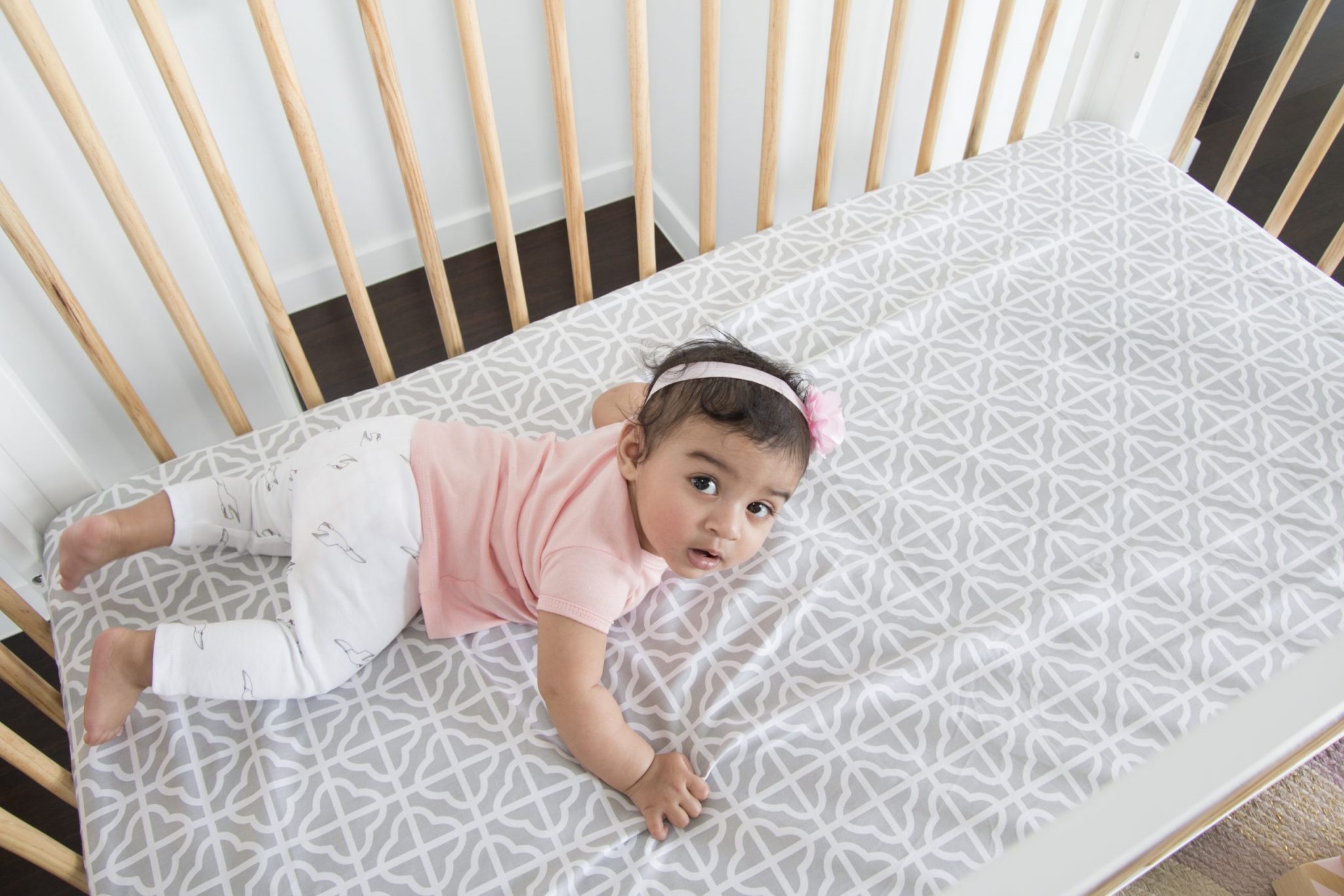
When it comes to mattresses, the experts do not recommend that you use a second hand mattress. Whilst it may seem tempting to reuse your older sibling’s mattress for the next baby, we agree with experts that you should always buy a new mattress for each child.
The reasons are:
- Mattresses lose their firmness over time and can become soft, so your baby may roll into the mattress which may result in Sudden Infant Death Syndrome (SIDS).
- Old mattresses may be flush with dust mites and other insects. The droppings of these insects contain allergens which can result in asthma, eczema and other allergic reactions for your baby.
When replacing your mattress, please read our guide about buying a safer mattress here.
If you have any questions please feel free to contact us at sales@babyhood.com.au
What the safety standards mean for a second hand cot
The rules changed on 19 January 2026. Household cots sold in Australia now have to meet the Consumer Goods (Infant Sleep Products) Safety Standard 2024, along with an information standard covering labelling and instructions. A cot can meet the safety standard through AS/NZS 2172:2013 or through one of the accepted overseas equivalents.
This matters when you buy second hand, because a cot made before those rules came in was never assessed against them. It may still carry an older compliance label, and that label tells you what the cot met at the time it was made, not what applies now. If you cannot find a label, a manufacture date or the original instructions, you have no way to check what the cot was built to.
The ACCC also asks buyers to confirm that a second hand product has not been recalled, that every part is present and working, and that assembly instructions are included. You can search current recalls on the Product Safety Australia website before you agree to buy.
How long a cot lasts and why conversion matters
A cot is one of the longer purchases in a nursery. Many cots convert as your child grows, moving from cot to toddler bed by removing one side, and some go further into a day bed. The number of stages varies by model, so check the manual for the cot in front of you rather than assuming.
Conversion is a practical reason to think twice about buying second hand. Conversion kits and fixings are model specific, and once a model is discontinued those parts can be hard to find. If a previous owner has lost the toddler rail or the base fixings, the cot may only ever work in its first configuration.
If you are comparing what is available new, you can see the current range of baby cots and check the details for each model.
Timber and composite finishes on an older cot
What a cot is made from affects how well it survives a second life. Solid timber can be cleaned, sanded back and checked for splinters. Composite panels such as chipboard and MDF are finished with a laminate or veneer, and once that surface is chipped or has been through a humid room, the board underneath can swell and lose its grip on screws and fixings.
Look closely at the joints, the base slats and the holes the fixings run through. Movement at a joint, a soft patch near a screw, or a lifting laminate edge all point to a frame that will not hold up. Paint is worth checking too. Older paint may contain lead, and repainting a cot yourself is not recommended because the finish will not have been tested for a child who chews the rail.
The same checks apply to other second hand nursery gear
Cots are not the only nursery item people pass on, and the same three questions work across the board. Has it been recalled, are all the parts there, and do you know what standard it was built to?
Bassinets fall under the same 2024 safety standard as cots, so an older one carries the same uncertainty. If you are still working out whether you need one, and how a round bassinet compares with other shapes, that is worth reading before you accept a hand-me-down. You can also browse the current bassinets and cradles range.
Prams are the other common hand-me-down. Wheels, brakes and harnesses wear, and a harness that has been through one child may no longer hold tension properly. Our guide to choosing a single pram covers what to check, and you can compare the full prams and strollers range.