
Welcoming a new baby into your family is an exciting time, but it also comes with many questions, especially when it comes to sleep. Creating a safe sleep environment is one of the most important things you can do to help protect your baby during every nap and overnight sleep.
Here are 10 simple tips to help your little one sleep safely.
1. Always place your baby on their back
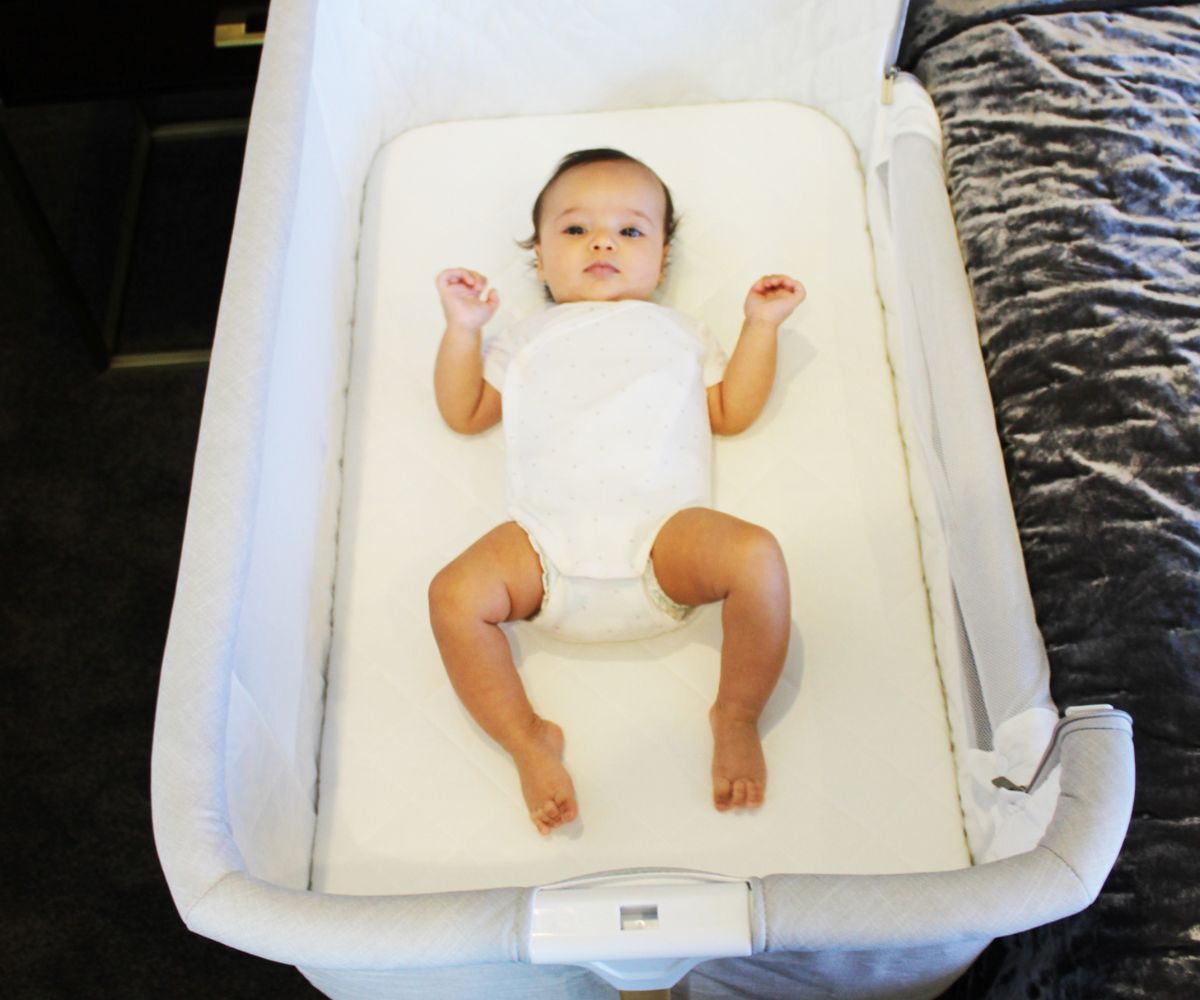
For every sleep, place your baby on their back with their face and head uncovered. Once your baby can roll both ways on their own, you don’t need to keep repositioning them during sleep.
2. Use a safe cot and firm mattress
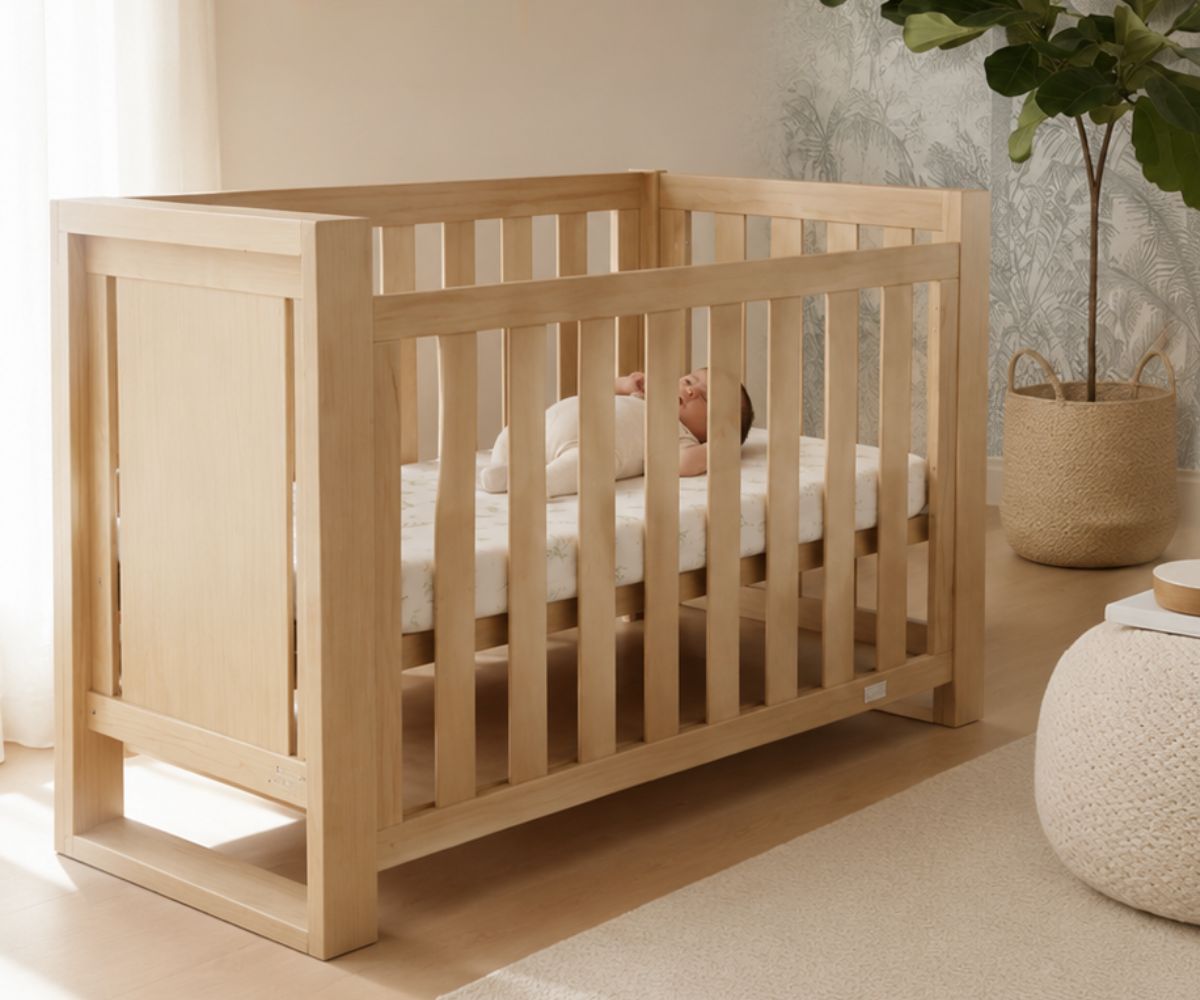
Choose a cot that meets current Australian safety standards and pair it with a firm, well-fitting mattress. Red Nose Australia advises no more than a 20mm gap between the mattress and the cot sides, which is about two adult finger widths. A larger gap is somewhere a baby can become trapped.
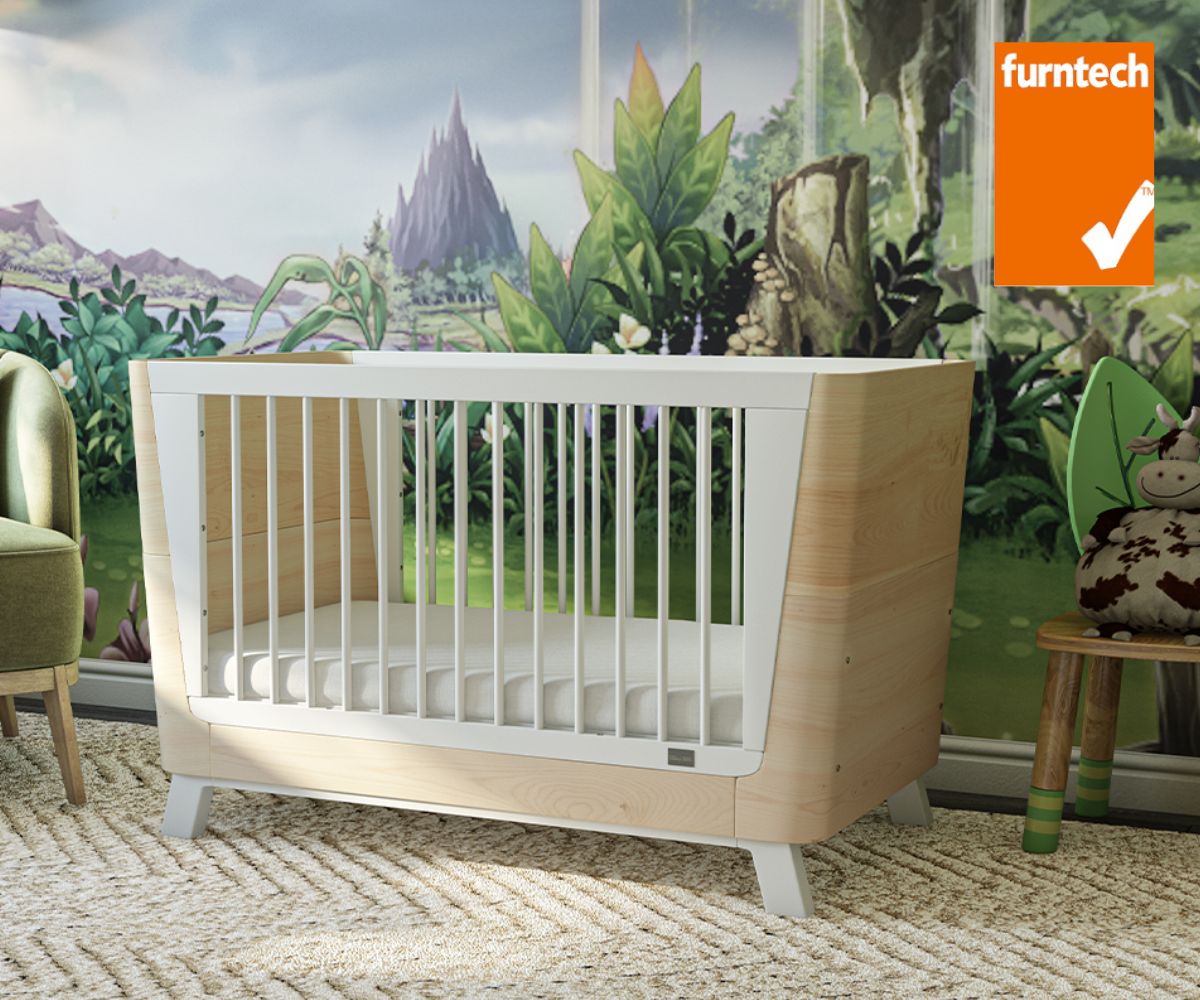
3. Keep the cot free from loose items
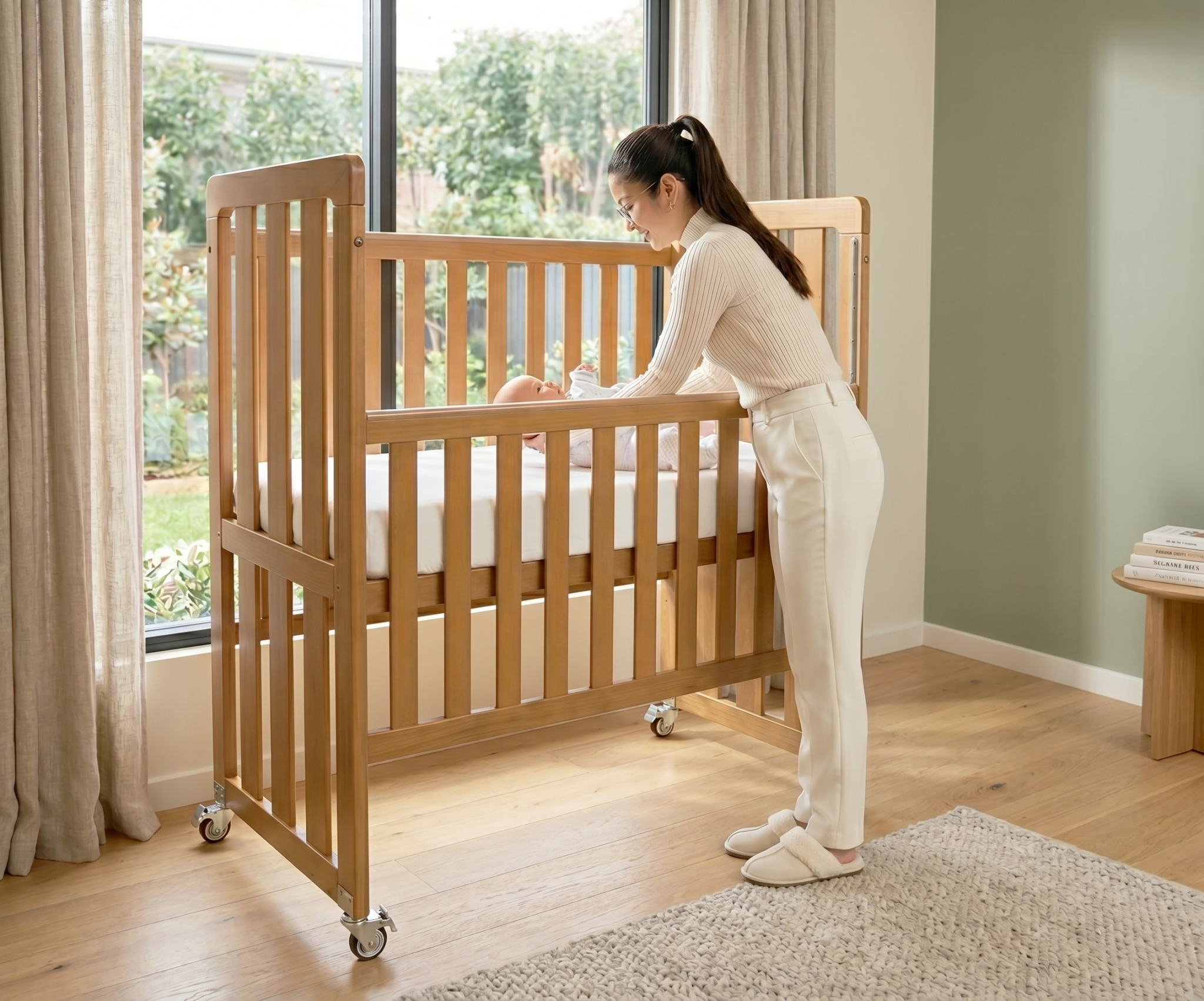
Your baby’s sleep space should be simple. Avoid pillows, quilts, doonas, cot bumpers, soft toys and loose blankets, as these can increase the risk of suffocation or overheating.
4. Keep your baby’s face uncovered
Make sure bedding cannot ride up over your baby’s face. If using a blanket, tuck it in securely at chest level with your baby’s feet positioned at the end of the cot, or use a well-fitting infant sleeping bag designed for babies.

5. Avoid overheating
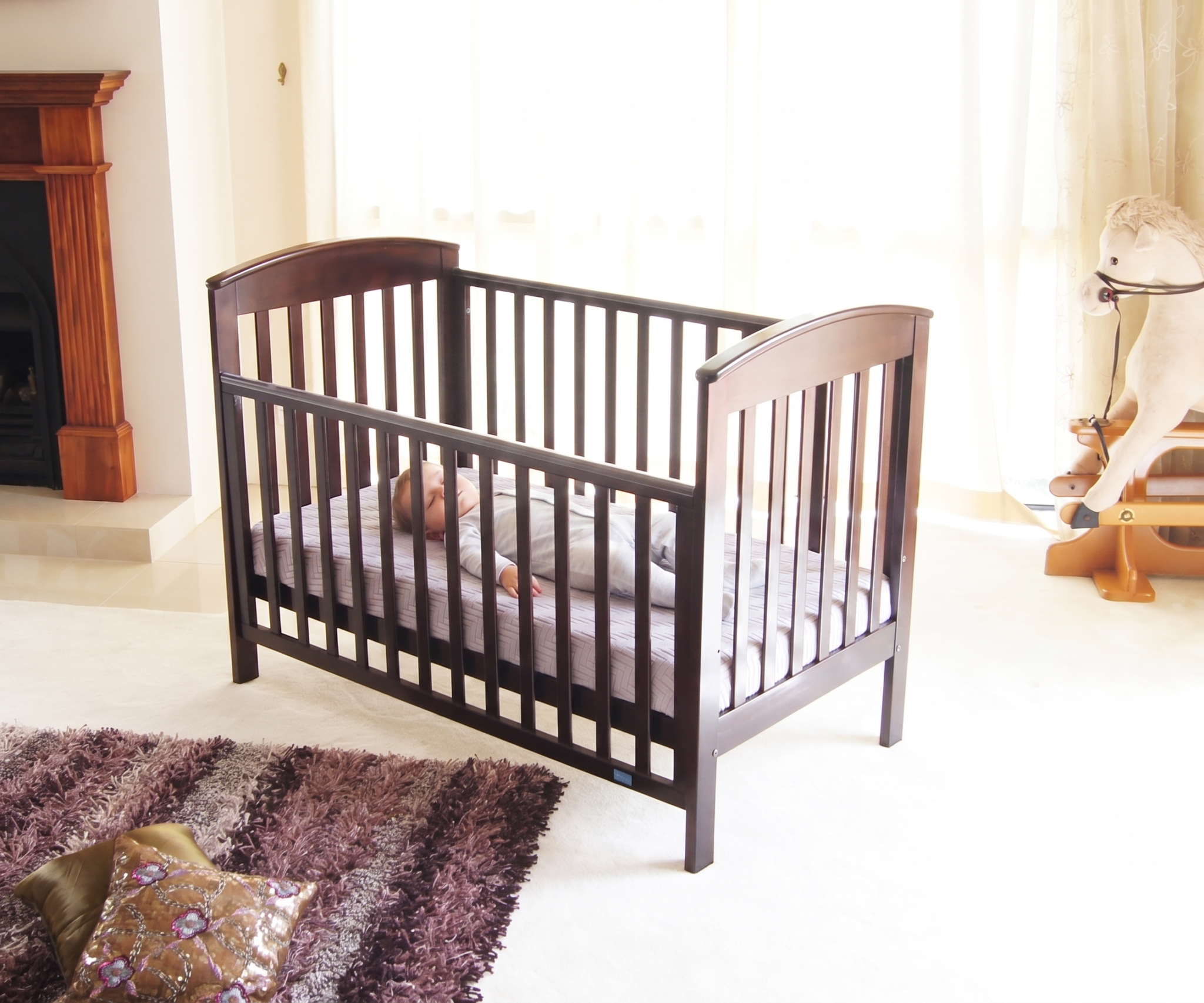
Dress your baby in light, breathable clothing suitable for the room temperature. A comfortable room temperature and breathable fabrics help reduce the risk of your baby becoming too warm while sleeping.
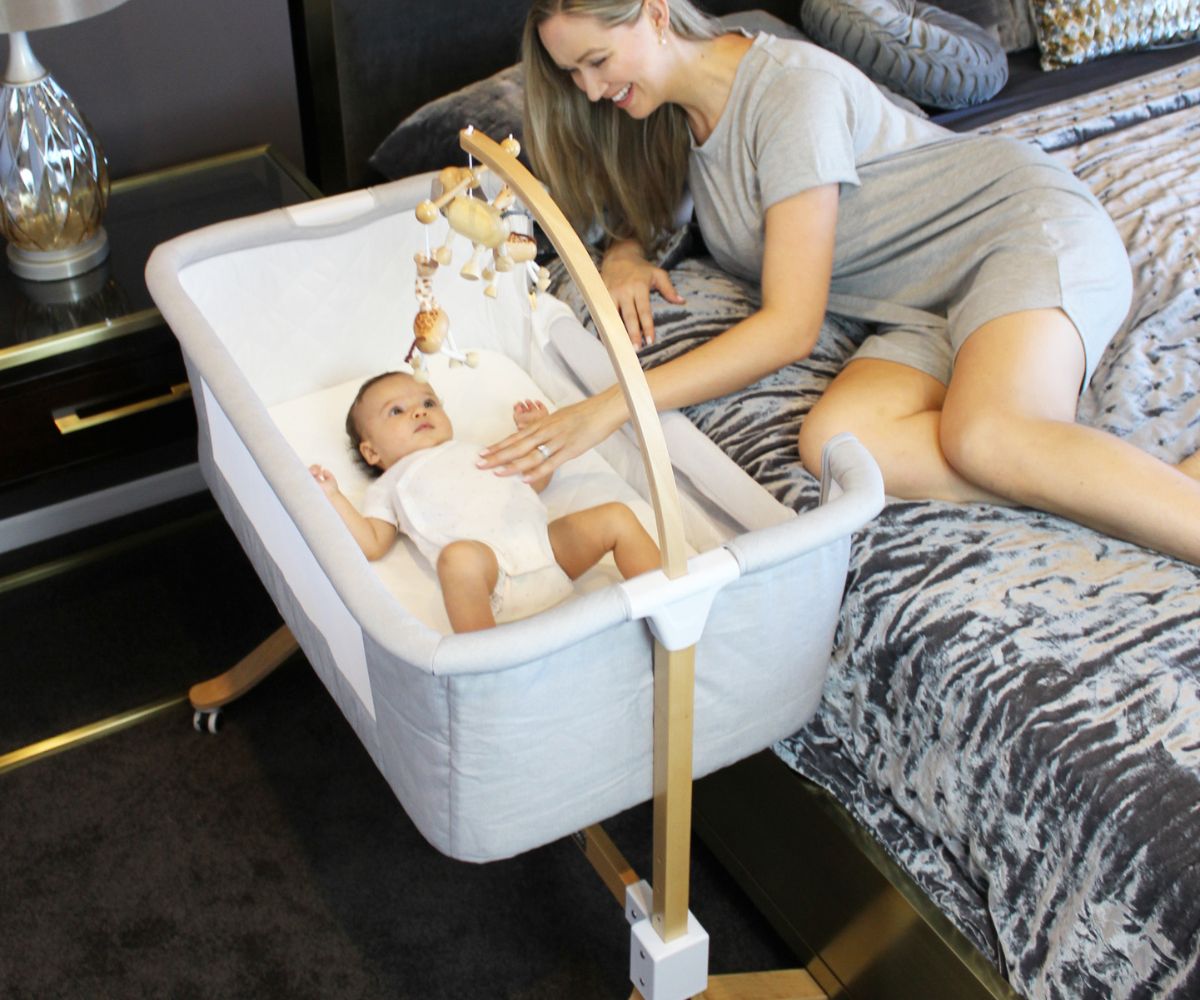
6. Share a room, not a bed
Health experts recommend that babies sleep in their own safe sleep space, such as a cot or bassinet, in the same room as their parents for at least the first six months whenever possible.
7. Provide a smoke-free environment
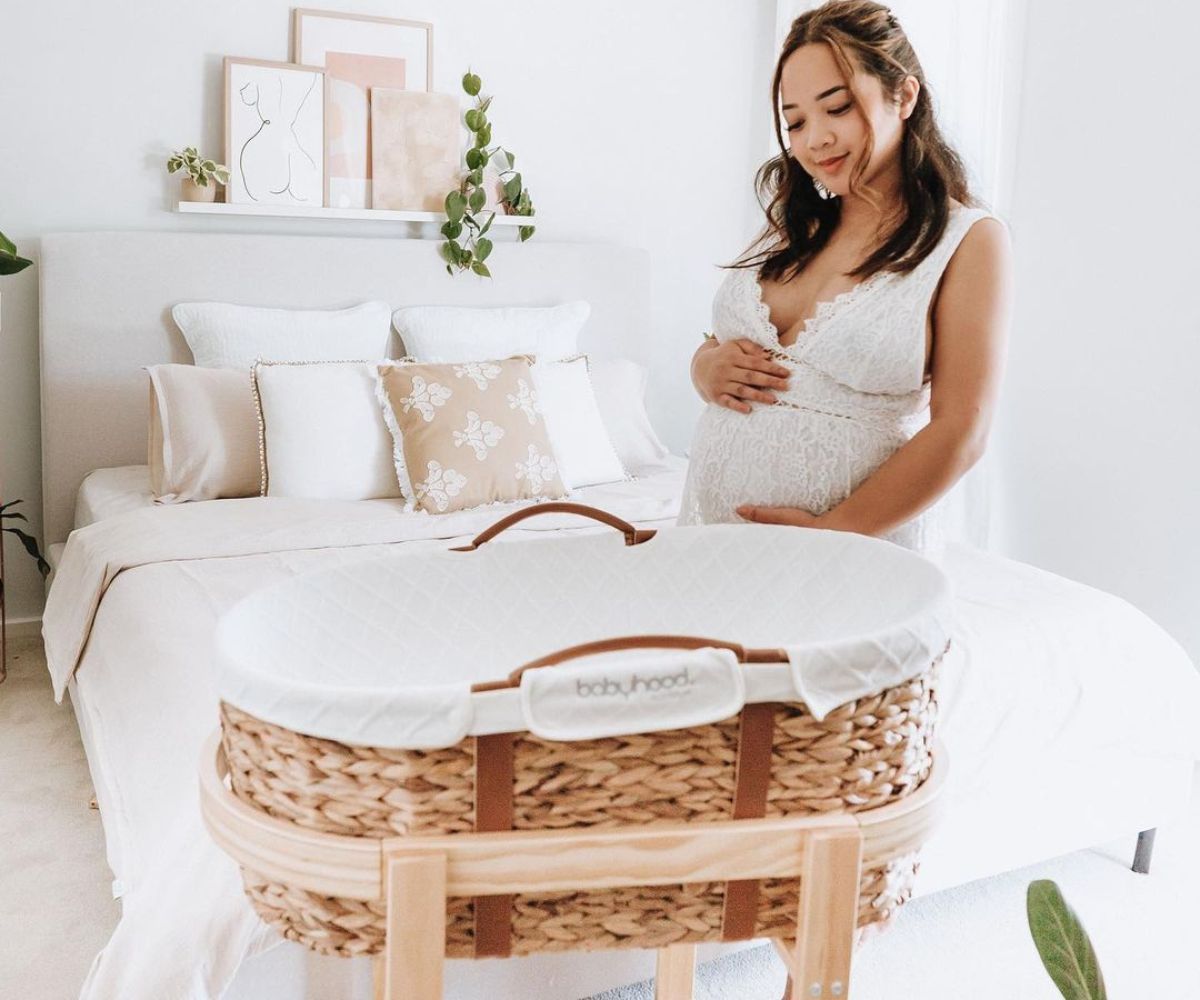
A smoke-free pregnancy and smoke-free home help reduce the risk of sleep-related incidents and support your baby’s overall health.
8. Check your sleep products regularly
Inspect your cot, bassinet and mattress regularly for signs of wear or damage. Always follow the manufacturer’s instructions for assembly, maintenance and safe use.
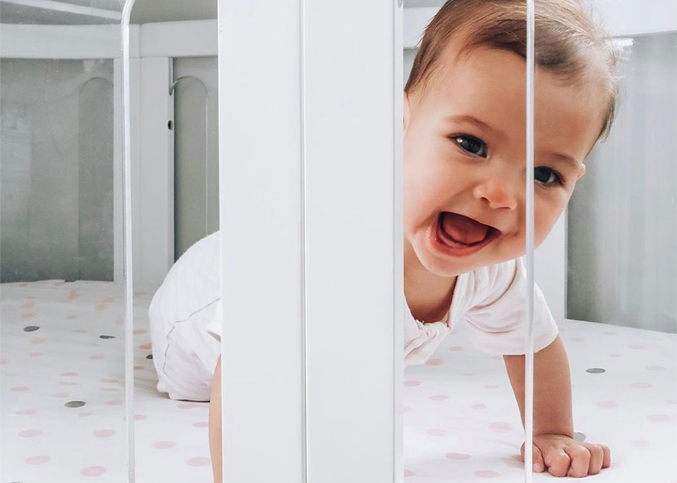
9. Create a consistent sleep routine
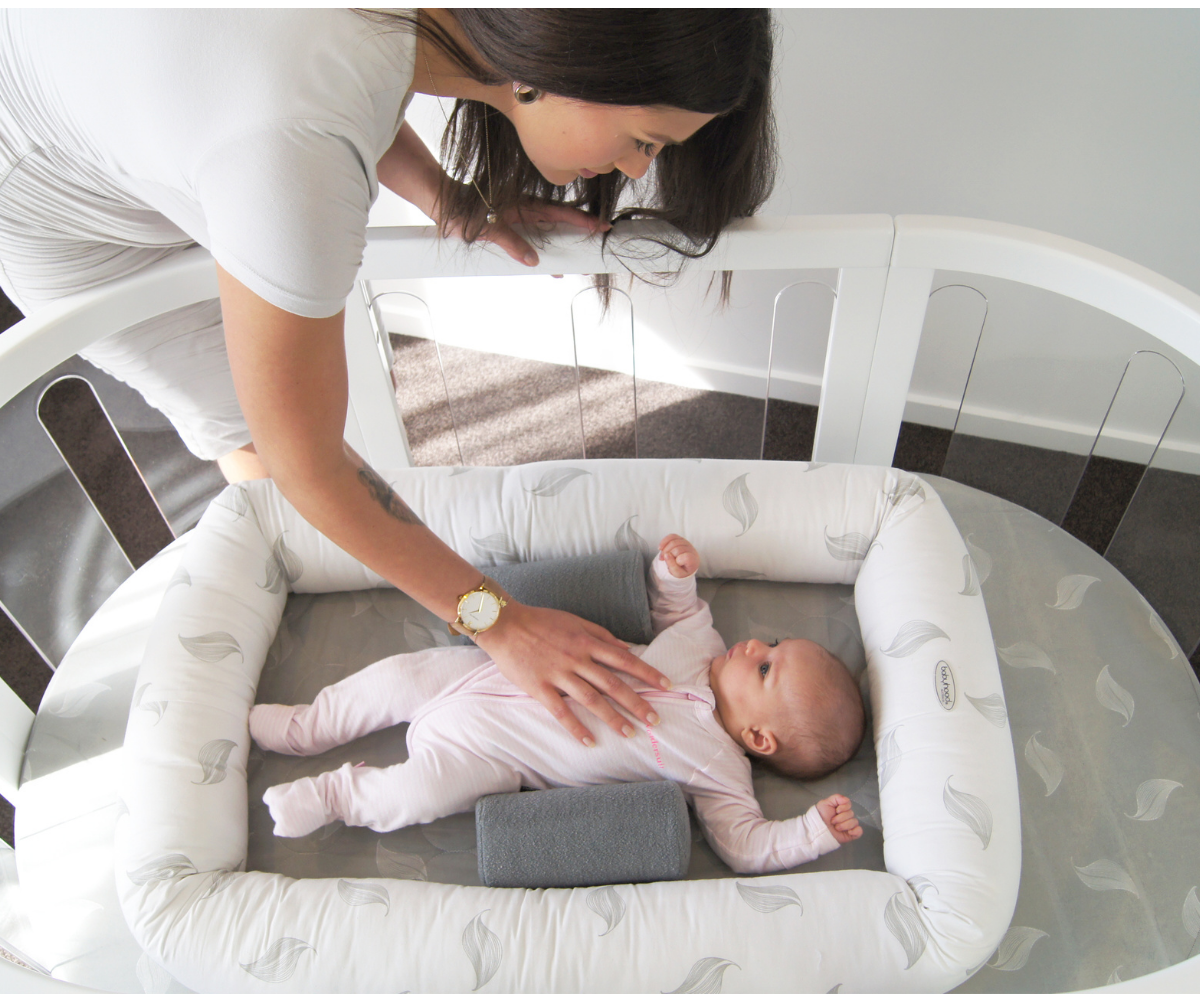
Following the same safe sleep practices for every daytime nap and overnight sleep helps create healthy habits while ensuring your baby’s sleep environment remains safe.
10. Choose quality nursery products
Investing in well-designed nursery furniture and sleep products that have been tested to Australian safety standards provides peace of mind and helps create a comfortable, supportive environment for your growing baby.
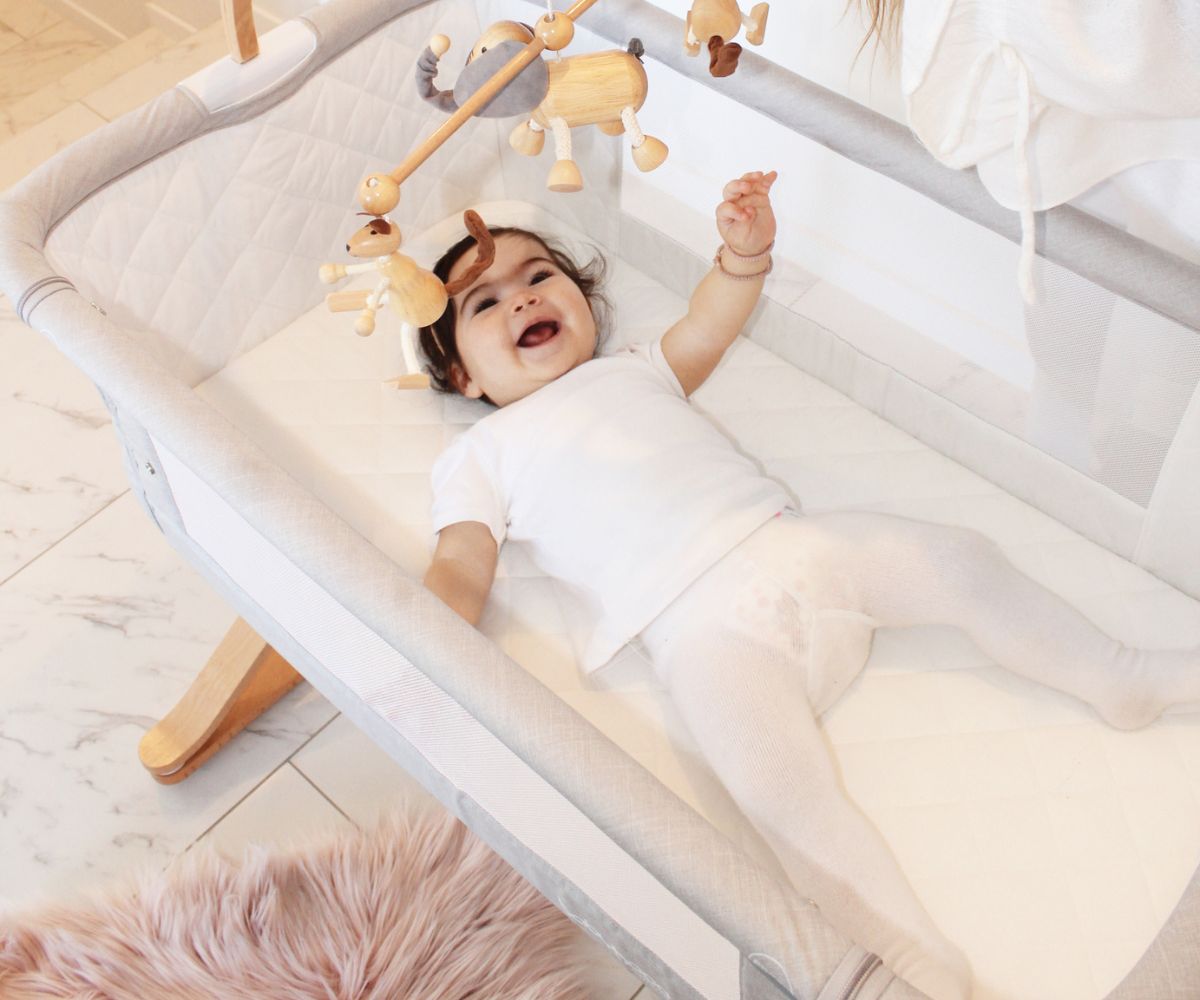
Helping your baby sleep safely
There is no single product that can prevent sleep-related incidents, but following safe sleep recommendations every time your baby sleeps can significantly reduce unnecessary risks.
Always follow current Australian safe sleep guidelines and the care instructions supplied with your baby’s nursery products.
At babyhood, we’ve spent more than 30 years designing nursery products that combine beautiful design with Australian-tested safety. From cots and bassinets to quality mattresses and nursery essentials, every product is thoughtfully created to help families provide a safer sleep environment for their baby.
Featured Products
Common mistakes and what to do instead
Most of these are well intentioned, and all of them are common.
Propping or tilting the mattress. Raising one end of the mattress, or putting a wedge or towel underneath it, creates an incline. On a slope a newborn’s chin drops towards their chest and narrows the airway, and they cannot correct it themselves. If reflux is the reason, speak to your maternal child health nurse or GP rather than changing the sleep surface. We cover this in bassinet incline.
Using positional products. The ACCC advises that propping a baby on pillows, sleep positioners or beanbags should be avoided, and Red Nose does not recommend products that restrict a baby’s movement or head position.
Leaving a baby asleep in a bouncer, swing or car capsule. None of these are sleep products. If your baby falls asleep in one, move them to their cot or bassinet when you notice.
Adding an extra mattress or padding to a portable cot. Use the mattress supplied for that cot. Stacking something softer underneath raises and softens the surface and opens gaps at the edges.
Overdressing. Overheating is a risk factor. Dress your baby for the room temperature and count a sleeping bag or wrap as one of the layers.
Room sharing and when to move to a cot
Red Nose Australia recommends that your baby sleeps in their own safe sleep space, in the same room as a parent or caregiver, for at least the first six months. Room sharing and bed sharing are different things. Your baby needs their own firm, flat surface beside you rather than sharing yours.
A co sleeper bassinet is designed for that arrangement, sitting at bed height so you can reach your baby without lifting them across. Our guide also covers whether you need one at all and how a round bassinet compares with other shapes.
The move to a cot is driven by size and mobility rather than a date. Once your baby reaches the weight limit for the bassinet, or can push up on hands and knees or roll over, it is time. Many families bring the cot into their room at that point rather than moving straight to the nursery, which keeps the room sharing recommendation intact.
Setting the cot up
Our guide to cot safety walks through the set up in order, from the mattress fit and base height to where in the room the cot should sit and what to keep out of it.
More from the experts
Jen Hamilton, the safe sleeping expert behind wot baby, answers the questions parents ask most often about newborn sleep, settling and day naps, and has practical tips to help your baby settling and sleep well in a separate piece.
The experts at Birth HQ cover sids australia and what the term actually means, and how to swaddle a baby safely, including when to stop. For the fuller picture on reducing risk, see our simple tips for safer sleeping.
Sleep away from home
The same principles travel with you. A pram bassinet that lies flat is a suitable sleep surface for a newborn on the move, whereas a seat that only tilts partway back is not. Our guide to choosing a single pram covers which configurations lie flat from birth, and you can compare the full prams and strollers range.
-

Kaylula Bella Cot
-
Kaylula Mila Cot
-
Sale!

Kaylula Sova Cot Clear Package
Original price was: $1,999.00.$1,599.00Current price is: $1,599.00. Select options This product has multiple variants. The options may be chosen on the product page -
Sale!
Riya Cot
Original price was: $799.00.$699.00Current price is: $699.00. Select options This product has multiple variants. The options may be chosen on the product page